

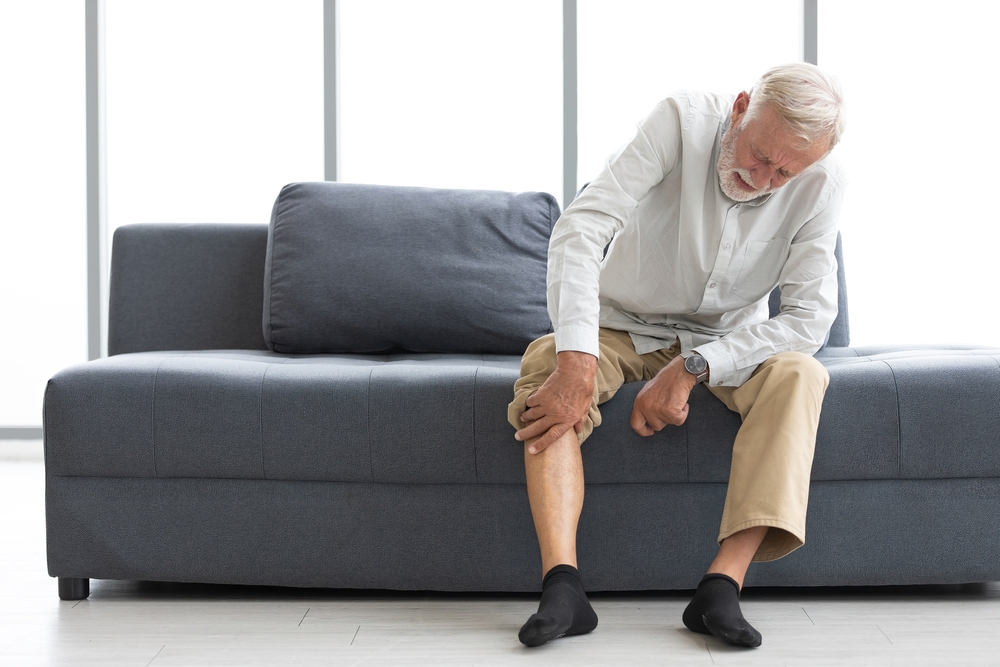
If you feel uncomfortable sensations in your legs, there are many possible reasons. Two of the most common are restless leg syndrome and vein disease, such as varicose veins or deep vein thrombosis (DVT). Both can cause similar symptoms, making it difficult to tell the difference on your own.
In this article, the vein specialists at The Vein Centre explain how restless legs and vein disease are different, which symptoms they often share, if they can be connected, and when you should see a vein doctor.
What Is Restless Legs Syndrome (RLS)?
Restless legs syndrome (RLS), also known as Willis-Ekbom disease, is a neurological condition that causes a strong urge to move your legs. Symptoms usually occur when you are resting, such as sitting, lying down, or trying to fall asleep.
Many people with RLS say they feel uncomfortable sensations deep in their legs, but not pain. They often describe it as crawling, tingling, pulling, itching, or feeling like something is moving inside their legs.
Symptoms of RLS vary from person to person but commonly include:
- A strong urge to move the legs
- Crawling, tingling, pulling, or itching sensations
- Symptoms that worsen during periods of rest or inactivity
- Symptoms that are more noticeable in the evening or at night
- Temporary relief with movement, stretching, or walking
The exact cause of RLS is not always known. However, researchers believe it may be related to changes in brain dopamine signaling and, in some cases, to iron deficiency. Certain medical conditions, medications, and pregnancy may also increase the risk of developing RLS.
What Is Vein Disease?
Vein disease, or venous disease, is any condition that affects the veins and interferes with healthy blood flow. These conditions generally fall into two categories: venous insufficiency and thrombosis (blood clots). Common types include varicose veins, spider veins, chronic venous insufficiency (CVI), and deep vein thrombosis (DVT).
Vein disease usually happens in the legs, where veins must push blood upward against gravity. If the valves in the veins get weak or damaged, blood can pool in the veins instead of moving as it should. This increases pressure and causes symptoms that often develop slowly.
Symptoms of vein disease vary depending on the type of vein disease present, but may include:
- Aching, throbbing, or cramping in the legs
- A feeling of heaviness or fatigue in the legs
- Swelling in the lower legs or ankles
- Burning or itching sensations
- Symptoms that worsen after prolonged standing or sitting
- Visible varicose veins or spider veins
Some people only see visible varicose veins, while others experience leg symptoms before any veins appear. As vein disease gets worse, it can also cause skin discoloration, skin thickening, or venous ulcers around the ankles.
The causes of vein disease depend on the type, but many forms develop when the walls or valves of the veins weaken or become damaged, making it harder for blood to flow as it should. Age, family history, being overweight, pregnancy, sitting or standing for long periods, and a history of blood clots can all raise your risk.
How to Tell the Difference Between Restless Legs Syndrome and Vein Disease
Restless legs syndrome and vein disease can have similar symptoms, which is why they are sometimes confused. Both conditions can affect your legs, become more noticeable at night, and interfere with sleep. However, there are important differences in how the symptoms feel, when they occur, and what causes them.
Shared Symptoms of Restless Legs Syndrome and Vein Disease
Although they are different conditions, restless legs syndrome and vein disease can share several symptoms, including:
- Leg discomfort
- Restlessness in the legs
- Burning, tingling, or unusual sensations
- Symptoms that are more noticeable in the evening or at night
- Sleep disturbances
Because these symptoms overlap, it is not always possible to determine the cause without a medical evaluation by a vein doctor.
Key Differences Between Restless Legs Syndrome and Vein Disease
Both restless legs and vein disease can make your legs uncomfortable, but the main difference is that restless legs syndrome is a problem with the nervous system, while vein disease is a circulation disorder.
With restless legs syndrome, there are rarely visible symptoms, but there are physical sensations that are often described as crawling, tingling, or pulling, which lead to an overwhelming urge to move the legs. These symptoms typically become worse during periods of rest, especially in the evening or at night. Moving the legs, stretching, or walking often provides temporary relief.
Vein disease is more commonly associated with aching, heaviness, throbbing, leg swelling, and leg fatigue. Symptoms often worsen after prolonged standing or sitting and may be accompanied by visible varicose veins, spider veins, or other skin changes. Elevating the legs and compression may help temporarily relieve symptoms.
It is also possible to have both conditions at the same time, which can make diagnosis more challenging. In these cases, a thorough medical evaluation can help determine whether one or both conditions are contributing to your symptoms.
Restless Legs vs Vein Disease Quick Comparison Chart
| Restless Legs Syndrome (RLS) | Vein Disease (CVI) | |
| Root Cause | Neurological disorder in the brain/nervous system | Faulty vein valves causing blood to pool in the lower legs |
| Sensation | Creepy, crawling, pulling, or an irresistible urge to move the legs | Throbbing, cramping (like “charley horses”), heaviness, or aching |
| Trigger | Mostly at rest or inactivity (especially evenings and nights) | Often persists or gets worse after a long day of sitting or standing and prolonged physical activity |
| Relief | Movement | Elevation, compression |
| Visible signs | Rarely has visible physical symptoms | Often accompanied by spider veins, varicose veins, swelling, or skin changes |
Are Restless Legs Syndrome and Vein Disease Connected?
Restless legs syndrome and vein disease are different conditions, but up to 22 percent of people with RLS also have vein disease, with some research suggesting a possible link between them in certain people.
Several studies show that people with chronic venous insufficiency are more likely to have symptoms like those of restless legs syndrome. Researchers do not fully understand the relationship, but it is believed that impaired blood flow in the legs may contribute to symptoms that resemble or worsen RLS in some individuals.
This does not mean vein disease causes restless legs syndrome, or that everyone with RLS has a vein problem. However, because symptoms can overlap and some people have both, it is important not to assume that leg discomfort or nighttime restlessness is always caused by RLS.
There are risks of untreated vein disease, so if you have restless legs syndrome and also notice leg heaviness, swelling, aching, or visible varicose veins, it’s important to make an appointment with a vein doctor to get your veins checked.
When to Consider a Vein Evaluation
Anytime you are experiencing persistent leg discomfort, swelling, visible vein changes, or symptoms that interfere with daily life or sleep, it is a good idea to see a vein specialist for evaluation.
While not every case of leg discomfort is caused by vein disease, symptoms such as aching, heaviness, throbbing, leg swelling, varicose veins, or leg fatigue can be signs of a deeper problem. Because these symptoms can overlap with other conditions, including restless legs syndrome, a proper evaluation is necessary to determine the root cause.
During a vein evaluation, a vascular specialist will review your symptoms and medical history, and may recommend diagnostic testing such as a venous ultrasound, to assess blood flow in the legs and look for signs of vein disease.
If vein disease is identified, treatment recommendations will depend on the specific condition, its severity, and your symptoms. A vascular surgeon can discuss the most appropriate options for your individual situation.
Restless Legs and Vein Disease FAQ
Can varicose veins cause restless legs syndrome?
Varicose veins do not always cause RLS, but they can contribute to restless-leg-like symptoms, particularly if you also experience other venous signs like leg swelling, heaviness, or aching. The good news is that treating varicose veins with minimally invasive procedures provides significant long-term relief and often complete symptom elimination.
What is the difference between restless legs and poor circulation?
The core difference is that restless legs is a neurological symptom, while poor circulation is a vascular condition. While poor circulation can trigger restless legs, the two issues are completely different, with distinct warning signs and behaviors.
Does treating vein disease help restless leg symptoms?
Yes. When restless leg symptoms are a secondary effect of vein disease, resolving the underlying poor circulation usually removes the physical triggers that are irritating your lower limbs.
Get Answers About Your Leg Symptoms at The Vein Centre in Middle Tennessee
If you are experiencing leg discomfort, heaviness, swelling, varicose veins, spider veins, or other symptoms that may be related to vein disease, the board-certified vein doctors at The Vein Centre can help. Our surgeons have over 70 years of combined vein expertise and specialize in evaluating and treating vein and circulation conditions using an individualized approach tailored to each patient’s diagnosis and symptoms.
With convenient locations in the Belle Meade, Mt. Juliet, and Brentwood areas of Tennessee, The Vein Centre offers comprehensive vein evaluations and advanced treatment options for a wide range of venous conditions.
If you are concerned that vein disease may be contributing to your symptoms, schedule a consultation with The Vein Centre to learn more about how our advanced and minimally invasive vein therapy and vein surgery techniques can help.

