

Medically reviewed by Dr. Billy Kim, MD, FACS • The Vein Centre
Have you noticed visible veins on your legs and wondered if they are normal or cause for concern?
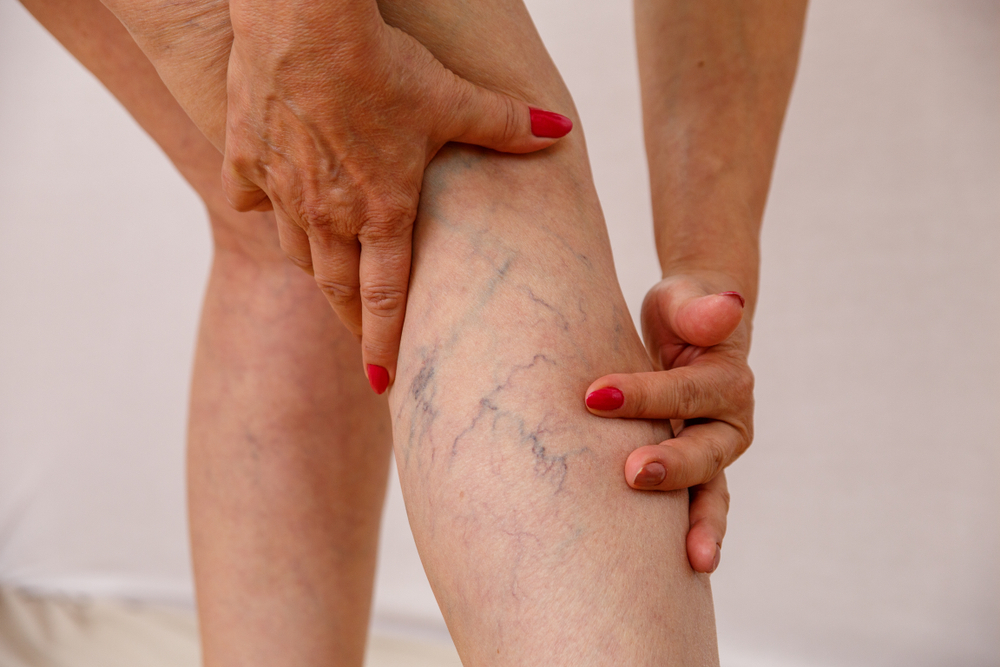
Sometimes, visible leg veins are just a normal part of your anatomy. Low body fat, fair complexion, aging, and genetics can make veins more noticeable. These factors do not always indicate a medical problem. If the veins on your legs look like webs, bulge, twist, discolor, or spread, they are likely spider veins or varicose veins.
Both are common, but they differ in distinct ways.
In this article, the vein specialists at The Vein Centre in Middle Tennessee explain what varicose veins and spider veins are, how they differ, how to tell them apart, when it may be time to see a vein specialist, and what treatment options are available.
What Are Varicose Veins?
Varicose veins are enlarged, twisted veins that usually appear in the legs. They develop when one-way valves inside the veins fail. These valves keep blood moving toward the heart. When weakened or damaged, blood pools in the vein, causing it to stretch, bulge, and become more visible beneath the skin.
Varicose veins are typically blue, dark purple, or flesh-toned. Color may vary based on skin tone and depth. At first, they may look slightly enlarged or raised. As pressure builds within the vein, they often become more noticeable and pronounced. In some cases, they lead to symptoms that affect daily comfort.
Symptoms of Varicose Veins
In addition to their distinct, bulging appearance, varicose veins can also cause physical discomfort, including:
- Aching legs
- A feeling of heaviness in the legs
- Throbbing, burning, or cramping sensations
- Itching around the affected veins
- Skin changes, such as discoloration or thickening
- Swelling in the lower legs or ankles, especially after prolonged standing or sitting
Varicose veins may cause little discomfort and go unnoticed aside from their appearance. Symptoms can become more noticeable over time, especially after prolonged standing or at the end of the day.
What Causes Varicose Veins?
Varicose veins develop when pressure builds inside the veins, and the valves that regulate blood flow weaken or become damaged. Several factors increase the likelihood of this, including:
- Genetics or family history
- Aging, which can weaken vein walls and valves over time
- Prolonged standing or sitting, which increases pressure in the leg veins
- Pregnancy, due to increased blood volume and hormonal changes
- Hormonal factors, including estrogen fluctuations
- Excess weight, which places additional pressure on the veins
When to Worry About Varicose Veins
Not all varicose veins indicate a serious problem. They can be a sign of underlying vein disease and may worsen without evaluation or management. Some symptoms suggest veins affect circulation or signal a more significant issue.
You should consider seeing a vein doctor if you notice:
- Bleeding from a vein
- Persistent leg pain or heaviness
- Swelling in the legs or ankles that does not improve
- Skin changes, such as darkening, thickening, or irritation near the veins
- Open sores or slow-healing wounds, especially around the lower leg or ankle
- Symptoms that worsen over time or begin to interfere with daily activity
If you notice any of these symptoms, don’t wait to see a vein specialist. A proper assessment can determine whether the veins are superficial or indicate a deeper circulatory issue.
What Are Spider Veins?
Spider veins are small blood vessels near the skin’s surface. Unlike varicose veins, they usually do not bulge or feel raised. They are often red, blue, or purple and may look like thin lines, branches, or web-like patterns.
Spider veins most often appear on the legs or face and are usually more visible than symptomatic.
Do Spider Veins Cause Symptoms?
For most people, spider veins are mainly a cosmetic concern. However, some people notice mild symptoms, such as:
- Slight itching
- Mild burning
- Minor discomfort in the affected area
Although usually mild, symptoms may accompany spider veins or occur with other vein conditions. It’s best to be evaluated to rule out deeper circulation issues.
What Causes Spider Veins?
Spider veins develop when tiny blood vessels near the skin’s surface dilate. While linked to some of the same factors as varicose veins, they generally involve smaller veins and less pressure within the vessel.
Several factors can contribute to the development of spider veins, including:
- Aging
- Genetics or family history
- Obesity or excess weight
- Pregnancy (due to increased blood volume and pressure on the veins)
- Prolonged standing or sitting
- Sun exposure, particularly for spider veins on the face
- Injury or trauma to the skin or blood vessels
- Previous vein disease, including varicose veins or venous insufficiency
- Hormonal changes during puberty, pregnancy, menopause, or birth control use
Sometimes spider veins develop from a combination of these factors rather than a single cause.
Do Spider Veins Require Treatment?
Most people do not need treatment unless they are concerned about appearance or have symptoms. In some cases, spider veins may be linked to underlying venous issues or may occur with varicose veins.
It may be a good idea to see a vein specialist if you notice:
- Discomfort, such as burning, itching, or aching in the affected area
- Swelling in the legs, especially if it occurs regularly
- Spider veins that are spreading or becoming more noticeable over time
- The presence of both spider veins and varicose veins
- Any changes in the skin, such as irritation or discoloration near the veins
While spider veins are usually not dangerous, a medical evaluation can determine if they are purely cosmetic or part of a broader vein condition. Some people also choose to seek treatment for cosmetic reasons, especially when spider veins are visible on the legs or face.
Varicose Veins vs. Spider Veins: Key Differences
Varicose veins are larger, deeper, and more likely to cause symptoms or indicate underlying circulation issues. In contrast, spider veins are smaller, closer to the skin’s surface, generally asymptomatic, and most often a cosmetic concern.
| Feature | Varicose Veins | Spider Veins |
| Size and Depth | Larger, swollen veins that develop deeper beneath the skin | Smaller, superficial blood vessels close to the surface |
| Appearance | Bulging, twisted, often blue or dark purple | Thin, flat, red, blue, or purple lines that may look like webs or branches |
| Symptoms | May cause pain, heaviness, swelling, or discomfort | Usually asymptomatic, though mild itching or burning can occur |
| Medical Significance | May be associated with underlying vein disease, such as Chronic Venous Insufficiency (CVI) | Most often a cosmetic concern, but can also be an early warning sign of underlying vein health issues |
| Underlying Vein Involvement | Involves dysfunction of deeper vein valves and impaired blood flow | Involves small, superficial vessels with minimal impact on circulation |
When to See a Doctor for Varicose or Spider Veins
It can be hard to tell if visible leg veins are superficial or related to a deeper circulation issue. This is especially true when symptoms are mild, gradual, or inconsistent.
If you notice veins on your legs, it may be time to see a vein specialist if:
- You have a known vein condition, a family history of vein disease, or risk factors for circulation issues.
- You notice changes in how your veins look or feel over time.
- You are unsure if your veins are cosmetic spider veins or varicose veins.
- * You have persistent, worsening, or daily discomforting symptoms.
- The appearance of your veins is bothersome, even without physical symptoms.
Even if veins appear minor, it’s best to have an evaluation to clarify the type of vein issue and whether treatment is needed.
A vein evaluation is usually straightforward and focuses on how blood flows through the veins. Sometimes it includes a non-invasive imaging test, like an ultrasound, to assess for venous insufficiency.
How Are Varicose Veins and Spider Veins Treated?
Varicose veins and spider veins can be treated in several ways, depending on their size, location, and whether they are causing symptoms.
Treatment Options for Varicose Veins
For varicose veins, treatment is typically focused on closing off or removing affected veins and improving overall blood flow.
Common varicose vein treatment options may include:
- Sclerotherapy
- Laser Ablation
- Radiofrequency Ablation
If symptoms are mild or do not affect daily life, at-home treatments like compression stockings, elevating your feet, over-the-counter pain medications, and lifestyle changes may help manage discomfort and support circulation.
Treatment Options for Spider Veins
Treatment for spider veins typically focuses on reducing or eliminating visible veins near the skin’s surface.
Common treatment options may include:
- Compression Stockings
- Sclerotherapy
- Endovenous Laser Ablation for Varicose Veins
A vein specialist can help determine which treatment, if any, is appropriate based on your symptoms, the type of veins present, and your overall vein health.
Vein Treatment in Middle Tennessee | The Vein Centre
At The Vein Centre, we specialize in diagnosing and treating varicose veins and spider veins using advanced, minimally invasive, in-office procedures. Our team is focused exclusively on vein care, with experience treating both cosmetic concerns and underlying conditions such as venous insufficiency.
With locations in Nashville and Mt. Juliet, The Vein Centre serves patients across Middle Tennessee with comprehensive vein evaluations and targeted treatment options based on your specific symptoms and vein health.
If you have leg swelling, believe you have varicose veins or spider veins, or a circulatory health issue such as peripheral artery disease (PAD), schedule a consultation with The Vein Centre today to explore your treatment options.
