

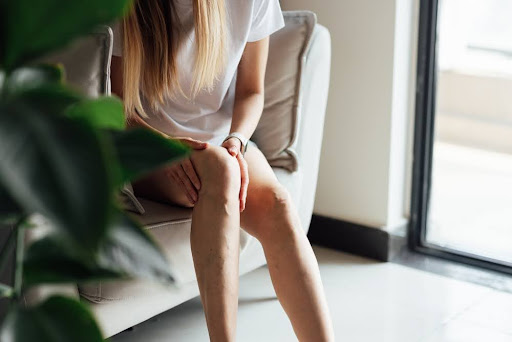
Although they are a cosmetic nuisance, varicose veins can act as a visible sign that your circulatory system isn’t working correctly. Twisted, enlarged veins can appear on your legs and feet due to increased pressure from prolonged sitting or standing. While you might think varicose veins are just a part of aging, leaving them untreated can lead to a range of health complications over time.
What Causes Varicose Veins?
Your circulatory system is made up of small, one-way valves that keep your blood flowing upwards towards your heart. When these valves are weakened or damaged, blood can flow backward and pool in your veins. As the pressure builds, the vein walls start to stretch and twist, resulting in the bulging appearance that varicose veins are known for.
Common Causes
- Inactivity: Sedentary lifestyles reduce leg muscle activity, making it harder for blood to return to your heart.
- Prolonged sitting or standing: Jobs that require standing in one place or sitting for long periods can reduce circulation.
- Age: Vein valves naturally weaken as you age and have more trouble pushing blood back towards the heart.
- Obesity: Excess weight creates additional strain on the veins in your legs.
- Pregnancy: Throughout pregnancy, your blood volume increases to accommodate your growing baby. Carrying a baby also increases pressure on your pelvic veins, which can lead to varicose veins developing or worsening over time.
- Hormonal changes: Menopause, pregnancy, and hormone therapy can relax vein walls and increase the risk of valve failure.
- Genetics and family history: If anyone in your family has varicose veins, you have a higher risk of developing them yourself.
Early Symptoms and Warning Signs
Varicose veins develop gradually as the pressure builds up, but there are signs that appear early. Common early symptoms include:
- Visible vein changes: Purple, blue, or bulging veins that look rope-like or twisted beneath the skin
- Aching or heaviness in the legs: A dull, throbbing ache or a sensation of tired, heavy legs, especially after long periods of standing or sitting
- Cramping or restless legs: A persistent urge to move the legs or nighttime leg cramps can stem from poor circulation
- Itching or burning sensation: Irritation can occur around affected veins and be mistaken for rashes or dry skin.
- Swelling (edema): Ankles, calves, and feet can noticeably swell as the day progresses
Even mild symptoms can indicate underlying vein damage. By being proactive about your vein health, you can take advantage of minimally invasive treatment options to prevent complications and relieve discomfort.
The Hidden Risks of Leaving Varicose Veins Untreated

Varicose veins are unsightly, but they can signal more serious medical issues. Without intervention, they can progress into other vascular conditions that can have serious complications.
Chronic Venous Insufficiency
Underlying valve damage can worsen over time when varicose veins are left untreated. When there is prolonged pressure in your veins, it can lead to chronic venous insufficiency (CVI), which is a long-term condition where blood continuously pools in your legs instead of returning to your heart. Common symptoms of CVI include:
- Skin discoloration
- Leg pain
- Heaviness
- Leg swelling
Chronic venous insufficiency can significantly impact your mobility due to leg discomfort. It can also increase the risk of developing skin ulcers and infections due to excess fluid buildup in the legs.
Leg Ulcers and Skin Changes
Poor circulation caused by untreated varicose veins can lead to skin damage. Eventually, this damage can progress to venous leg ulcers, slow-healing wounds that commonly form near the ankles. There are warning signs that a venous ulcer may be forming, such as:
- Hardened or dry skin
- Small, unhealing sores
- Itchiness
- Skin discoloration
Venous leg ulcers are prone to infection and can be painful. They often do not resolve on their own and require long-term wound care. By treating varicose veins early, you can restore healthy circulation and prevent the tissue breakdown that leads to venous ulcers.
Blood Clots
Stagnant blood in damaged veins increases your risk of forming a clot. Superficial thrombophlebitis is when a clot forms in the veins close to the skin’s surface, causing tenderness, warmth, and redness.
Deep vein thrombosis is a more serious condition in which clots form in deeper veins. DVT is more hazardous because these clots can break loose and travel to your lungs, causing a life-threatening pulmonary embolism.
Warning signs of a blood clot include sudden swelling, pain, or warmth in one leg. Make sure to talk to your health care provider if you believe you have a blood clot.
Bleeding and Infection Risks
As varicose veins enlarge and move closer to the skin’s surface, they become fragile and more likely to rupture or bleed. If the skin over a varicose vein breaks, bleeding can be significant and challenging to stop, even from minor bumps or scrapes. Open sores caused by varicose veins can become infected and cause further complications.
Persistent Pain and Reduced Mobility
You are more likely to develop chronic leg pain when your legs are under ongoing pressure, with inflammation and swelling. Chronic leg pain makes it challenging to stay active, walk, or stand. This discomfort can contribute to weight gain, limit your physical activity, and worsen your overall vein health.
Emotional and Lifestyle Impacts

Varicose veins are often viewed as a physical issue, but their effects can reach far beyond appearance or comfort. When left untreated, they can impact a person’s confidence, daily activities, and overall well-being. Varicose veins can influence both how you feel and how you live day to day. Common challenges include:
- Lowered confidence: Visible, bulging veins may make individuals hesitant to wear shorts, dresses, or swimwear.
- Emotional stress: Concerns about appearance can lead to frustration, embarrassment, or anxiety in social and professional situations.
- Reduced activity: Ongoing leg pain or heaviness may discourage walking, exercise, or prolonged standing.
- Work-related discomfort: Occupations that require long hours of sitting or standing can worsen symptoms and reduce productivity.
- Interference with hobbies: Activities like traveling, hiking, or playing sports may become uncomfortable.
- Mental fatigue: Chronic aching or swelling can disrupt sleep, contribute to stress, and affect overall mood.
These effects can build over time, making it harder to stay active, maintain confidence, and enjoy daily routines.
Treatment Options for Varicose Veins
The good news for anyone living with varicose veins is that today’s treatments are more advanced, comfortable, and effective than ever before. At The Vein Centre, most procedures are minimally invasive, performed right in the office, and require little to no downtime. Modern vein care focuses on improving circulation, reducing symptoms, and restoring the natural appearance of your legs while keeping you active and comfortable.
Treatment options for varicose veins include:
- Endovenous Laser Therapy (EVLT): A targeted laser is used to close off damaged veins from within by using a thin laser fiber to heat and seal the vein shut.
- Radiofrequency Ablation (RFA): Similar to EVLT, heat from radiofrequency is used to heat and collapse varicose veins. This treatment is highly effective for larger varicose veins.
- Sclerotherapy: Used for smaller varicose veins and spider veins, sclerotherapy uses a special solution injected into affected veins to cause them to collapse and fade over time.
- Ambulatory Phlebectomy: Small incisions are made to gently remove surface-level varicose veins that are too large for other treatment options.
Seeking treatment early not only relieves discomfort and improves appearance but also prevents more serious complications such as blood clots, leg ulcers, or chronic venous insufficiency. Early intervention often means simpler procedures, faster recovery, and lasting results.
When to See a Vein Specialist
If you’re experiencing persistent discomfort or visible changes in your veins, a professional evaluation can provide the clarity and care you need. You should consider seeing a vein specialist if you notice any of the following symptoms:
- Persistent leg pain or heaviness that worsens after standing or sitting for long periods
- Swelling in the ankles or calves, especially toward the end of the day
- Visible, bulging veins that are enlarging or becoming more tender
- Skin discoloration or texture changes around the lower legs or ankles
- Itching, burning, or rashes near visible veins
- Sores or ulcers that are slow to heal
- Sudden warmth, redness, or tenderness along a vein, which may indicate a blood clot
Even if your symptoms are mild, an early evaluation can help detect vein disease before it progresses and becomes more difficult to treat.
Varicose Vein Treatment at the Vein Centre
If you’re living with leg pain, swelling, or visible varicose veins, you don’t have to wait for your symptoms to worsen. At The Vein Centre, our board-certified specialists use advanced diagnostic tools and minimally invasive treatments to restore healthy circulation and relieve discomfort. Whether your goal is to reduce pain, prevent complications, or feel confident showing your legs again, our team provides personalized care in a comfortable, patient-centered environment. Take the first step toward healthier, stronger legs by scheduling your varicose vein consultation at The Vein Centre today.
