

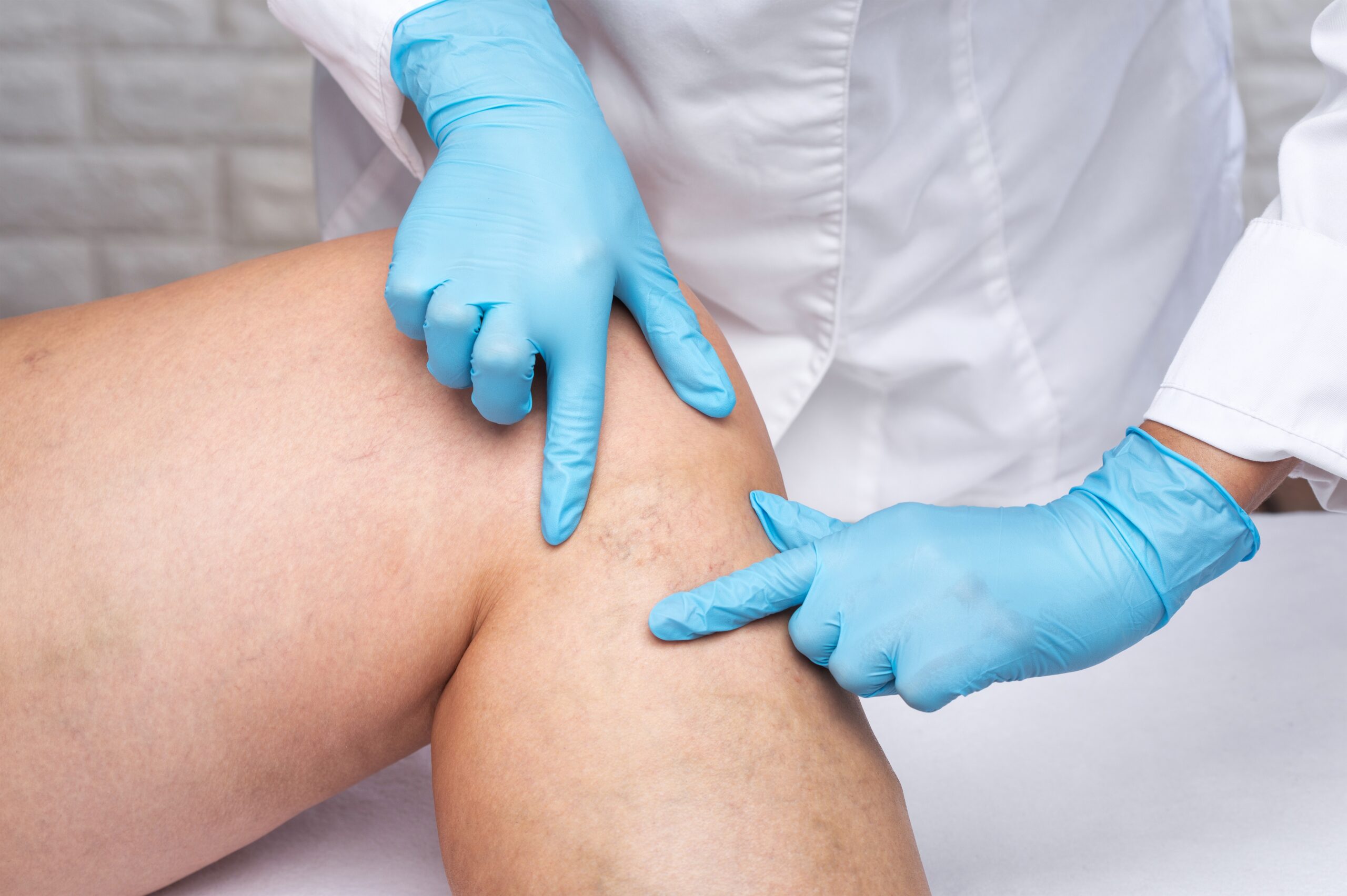
Treating vein disease in its early stages is essential for protecting both vein and heart health. When veins do not function properly, the heart must work harder to circulate blood throughout the body, increasing strain on the cardiovascular system. Addressing venous insufficiency early can reduce this strain, improve circulation, and help preserve your quality of life.
In this Article:
- What venous insufficiency is and why early detection matters
- Early warning signs of venous insufficiency
- Common early symptoms of vein disease
- When varicose veins become serious
- The risks of delaying varicose vein treatment
- Potential complications of untreated varicose veins
- How can early intervention prevent complications
- When to see a vein specialist
Recognizing the Early Warning Signs of Venous Insufficiency
Veins play a critical role in supporting heart health by returning oxygen-depleted blood to the heart. There is increased stress on the cardiovascular system if the veins in the legs struggle to push blood upward against gravity. This inefficiency can affect both vein health and the cardiovascular system as a whole. Early detection of venous insufficiency is essential for protecting long-term health.
Recognizing the early warning signs of venous insufficiency can help prevent serious complications like blood clots, chronic pain, painful venous ulcers, and even amputation. Untreated venous insufficiency can lower your quality of life, so watching for early warning signs can help prevent long-term problems. Common early warning signs include:
Feeling Heaviness or Tiredness
When vein walls weaken, blood pools in the lower extremities rather than efficiently returning to the heart. This pooling forces the heart to work harder to maintain blood flow and circulation throughout the body. This pooling of blood can make your legs feel heavy or tired, especially after standing or sitting for an extended period. When left untreated, this ongoing strain can contribute to worsening cardiovascular stress and worsened vein health.
Pain or Aching
Aching, cramping, or persistent leg pain can be a sign that muscles and tissues are not receiving enough oxygen-rich blood. Poor venous circulation slows the removal of waste products from the muscles, leading to discomfort. This inefficient circulation can signal vascular concerns, which may increase the risk of blood clots and place additional strain on the heart.
Swelling
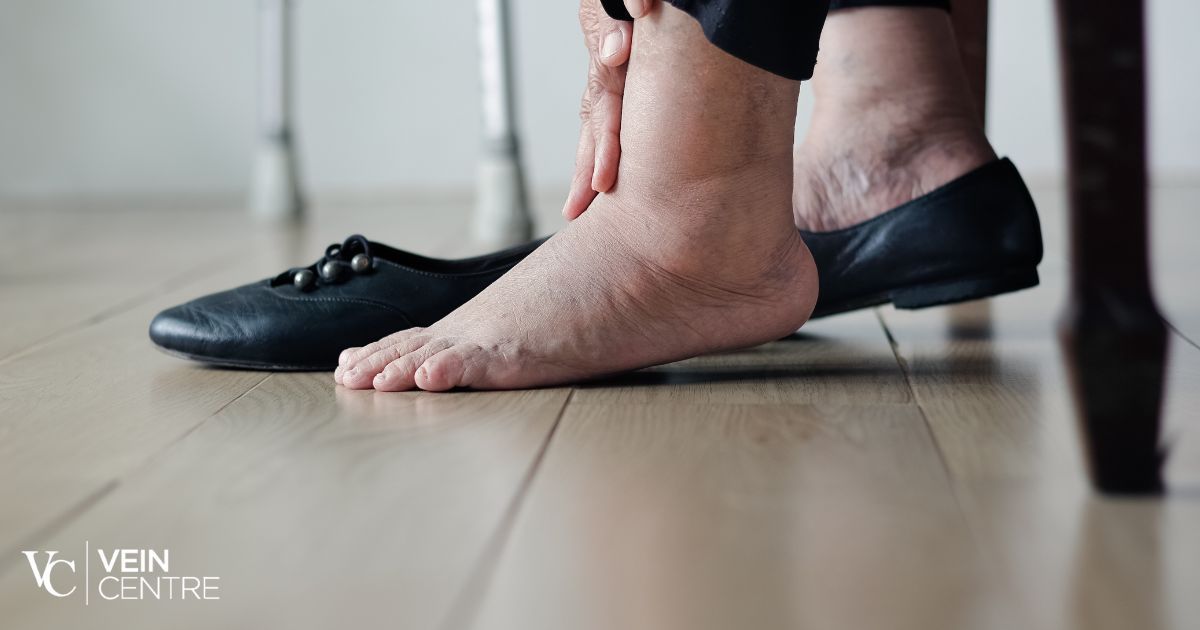
Puffiness or swelling in the lower legs, known as edema, occurs when blood and fluid become trapped in body tissues due to increased pressure in the veins. While prolonged sitting or a high salt intake can worsen swelling, chronic edema may indicate venous insufficiency or underlying cardiovascular issues. Persistent swelling can be a warning sign that the heart and veins are struggling to move blood effectively.
Tingling or Burning Sensations
Increased pressure on nerves caused by poor blood circulation can cause tingling, itching, or burning sensations. These symptoms can disrupt sleep and daily activities because they worsen as venous disease progresses. Early identification can help restore healthy circulation and impact both vein and heart health.
Recognizing these early warning signs is an essential step in protecting your heart. By reducing strain on your cardiovascular system, addressing venous insufficiency early can help prevent blood clots, chronic inflammation, and long-term heart stress. Addressing these signs can improve your quality of life while supporting heart and vascular health.
What are the Early Signs of Vein Disease
Vein disease often begins with many of the same early symptoms as chronic venous insufficiency. These signs indicate that blood is not returning to the heart efficiently, which can worsen circulation problems over time.
Early symptoms commonly include:
- Leg heaviness and fatigue, especially after prolonged standing or sitting.
- Swelling (edema) in the lower legs and ankles.
- Aching sensation in legs.
- Throbbing discomfort caused by blood pooling in the veins, increasing pressure and inflammation.
As vein disease progresses, visible and cosmetic changes often become more noticeable. Enlarged or bulging veins, such as varicose veins or spider veins, may appear on the skin. Skin changes are also common and may include dryness, discoloration, and thickening of the skin around the ankles and lower legs.
Left untreated, early vein disease can advance into more serious conditions. These changes are not just cosmetic concerns; they reflect a breakdown in the cardiovascular system that can place additional strain on the heart. Identifying vein disease early can help prevent the development of varicose veins.
How Do I Know If My Varicose Veins Are Serious?
Varicose veins can range from mild discomfort to signs of more advanced vein disease. Knowing when symptoms signal a more serious issue can help you seek care at the right time and prevent complications.
You should consider scheduling a consultation with a vein specialist if you experience:
- Persistent leg pain or aching
- Frequent calf cramps that interfere with daily activities or sleep
- Ongoing feelings of heaviness and fatigue in the legs
- Noticeable swelling in the legs or ankles
- Skin changes such as itching, darkening of the skin (hyperpigmentation), or hardening and thickening around the veins
While these symptoms are not typically emergencies, they should not be ignored, as they often signal progressive venous disease that benefits from early evaluation and treatment.
Specific symptoms that require immediate medical attention include:
- Heavy bleeding from a varicose vein that does not stop with direct pressure.
- Sudden, severe leg swelling may be a sign of a blood clot or deep vein thrombosis (DVT), a potentially life-threatening condition.
- Redness that feels warm or painful to the touch.
- Open, non-healing sores or venous ulcers, are also severe warning signs of advanced vein disease and possible infection.
Prompt treatment is critical in these cases to protect circulation, prevent complications, and safeguard overall cardiovascular health.
The Dangers of Delaying Treatment for Varicose Veins
Delayed varicose vein treatment can lead to worsening pain, serious complications, and potentially life-threatening conditions such as blood clots. Addressing vein disease early helps protect circulation, reduce strain on the cardiovascular system, and prevent long-term damage.
Visible Complications
When varicose veins are left untreated, poor circulation can cause the skin to break down, leading to painful venous ulcers. These slow-healing open sores most commonly develop near the ankles and are caused by prolonged pressure and inadequate blood flow. Venous ulcers are at risk of infection, which can lead to more serious complications if left untreated.
The skin surrounding varicose veins may also become discolored, itchy, hardened, or fragile. These skin changes are often noticeable and can worsen over time. Inflammation around affected veins may cause tenderness and discomfort, signaling ongoing venous disease.
Serious Risks
Untreated varicose veins can increase the risk of deep vein thrombosis, a serious condition in which blood clots form in the veins. Blood clots can restrict circulation and may become life-threatening if they travel to other parts of the body. Thinning of the skin over varicose veins also raises the risk of significant bleeding from even minor cuts.
Chronic venous insufficiency may develop as circulation continues to decline, leading to persistent swelling, heaviness, and leg fatigue. Over time, this adds additional stress to the circulatory system and can affect overall cardiovascular health.
Impact on Daily Life
Ignoring varicose veins can significantly impact daily activities and quality of life. As symptoms progress, routine tasks can become increasingly challenging. Early treatment can relieve symptoms, restore healthier circulation, and help maintain long-term comfort and mobility. For additional information, read our blog about Understanding The Risks of Untreated Varicose Veins.
What Happens If Varicose Veins Are Left Untreated?

Leaving varicose veins untreated can have serious consequences for both your veins and your heart. Over time, impaired circulation can lead to dangerous blood clots, increased venous pressure, and greater strain on the heart. These complications can contribute to chronic venous insufficiency, deep vein thrombosis (DVT), pulmonary embolism (PE), and even heart failure if the circulatory system becomes overwhelmed.
Deep Vein Thrombosis and Pulmonary Embolism
Untreated varicose veins increase the risk of deep vein thrombosis (DVT), a condition in which blood clots form in the deep veins of the legs. If a clot breaks free, it can travel to the lungs, causing a pulmonary embolism (PE). Both conditions disrupt blood flow through the cardiovascular system, reduce oxygen delivery to vital organs, and place significant stress on the heart. Shortness of breath, chest pain, and rapid heart rate are warning signs of these potentially life-threatening events.
Chronic Venous Insufficiency (CVI)
When veins fail to return blood efficiently to the heart, pressure builds in the lower leg veins, leading to blood pooling, swelling, and skin changes such as discoloration, thickening, and fragility. Over time, this can lead to additional problems, including fatigue, leg heaviness, and swelling.
Increased Cardiovascular Burden
Poor venous function makes it harder for the heart to circulate blood effectively throughout the body. This added strain can worsen existing heart conditions, causing dizziness or shortness of breath, and, in severe cases, leading to heart failure. To restore proper circulation, reduce vascular stress, and support overall cardiovascular health, treat your varicose veins promptly.
Can Varicose Veins Cause Serious Problems?
Varicose veins can lead to serious health complications if left untreated. Varicose veins cause blood to pool due to weakened valves, leading to twisting and swelling. While varicose veins can be only a cosmetic issue for some, they can also become painful and introduce more serious problems.
Potential complications include chronic leg swelling, leg ulcers, blood clots, and severe swelling. Although varicose veins are often manageable with lifestyle changes and medical treatment, ignoring them can cause them to progress and develop complications.
How Early Intervention Can Prevent Complications
Early intervention in vein disease can reduce strain on the heart and improve overall circulation, helping prevent more serious complications down the line. Prevention strategies include both lifestyle changes and medical management.
Lifestyle Changes
Incorporating healthy habits into your daily routine can make a significant difference. Regular movement helps promote circulation, and elevating your legs whenever possible can reduce swelling and discomfort. Maintaining a healthy weight through a balanced, heart-healthy diet that includes fruits and vegetables, whole grains, dairy products, fish, and unsalted nuts supports vein health and overall cardiovascular wellness. For additional information about what foods combat vein disease, check out our blog about the best foods that support good circulation and combat DVT.
Medical Management
Knowing when to see a vein specialist is critical. Early evaluation and guidance from a professional can prevent complications, slow disease progression, and provide access to less invasive and more effective treatment options.
Can Early Treatment Prevent Complications?
Yes, early treatment can prevent serious complications by reducing the risk of blood clots, painful venous ulcers, chronic swelling, and skin damage. Treating vein disease early can also alleviate pain, heaviness, and fatigue in the legs, improving overall quality of life and mobility. Additionally, early intervention often offers less invasive, more cost-effective treatment options than the more extensive procedures required later.
When to Schedule a Consultation with a Vein Specialist
Early detection of vein disease is crucial for both your heart health and your vein health. If you’re noticing symptoms that are cause for concern, you should schedule a consultation with a vein specialist. Reach out to the Vein Centre today to consult a doctor and find a treatment plan that is right for you.
