How Body Weight Affects Circulation & Vein Health
Weight changes affect more than physical appearance. Fluctuations in weight can influence multiple systems throughout the body, including heart health, metabolism, hormones, and vascular function. The human body contains thousands of veins, encompassing about 60,000 miles of blood vessels.
Together, these vessels form the circulatory system, which delivers oxygen, nutrients, and hormones to cells while removing carbon dioxide and other waste products. Veins play a critical role in returning deoxygenated blood to the heart, where it is then sent to the lungs for reoxygenation before continuing its cycle through the body.
Body weight significantly impacts the circulatory system. Being underweight can weaken the heart muscles, leading to low blood pressure and electrolyte imbalances, whereas carrying excess weight forces the heart to work harder to pump through a larger network of tissue. This increased strain raises the risks of serious complications, including blood clots, high cholesterol, heart attack, and stroke.
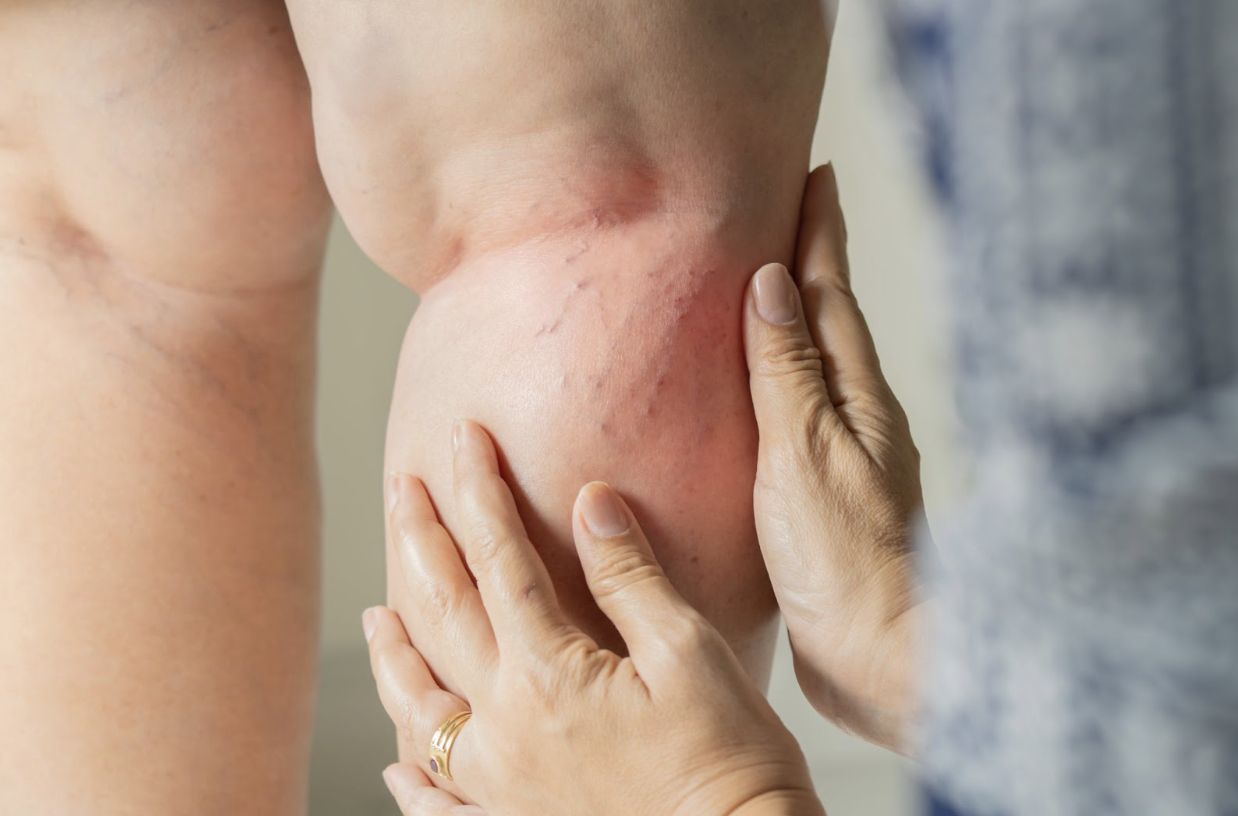
One common condition affected by weight and circulation is varicose veins. Varicose veins are bulging, twisted, and swollen veins that appear blue or purple under the skin. Varicose veins usually become noticeable with symptoms like aching, throbbing, swelling, or skin changes like itching, burning, and redness.
The most common location for varicose veins is the legs and ankles, but they can appear anywhere. They often begin appearing in young adulthood, typically between the ages of 25 and 40, and are more likely to develop in individuals with certain risk factors, such as genetics, pregnancy, or prolonged periods of sitting or standing.
Vein health depends heavily on lifestyle choices and body weight. Daily habits related to physical activity and diet influence body weight, which, in turn, affects circulation and vascular health. Maintaining a healthy weight plays a vital role in keeping your veins in their best health and function.
How Excess Weight Puts Pressure on Your Veins
Obesity and Vein Function
Gaining excess weight strains your veins by increasing the pressure within them. Weight gain weakens the walls and valves of veins. Obesity can lead to leg pain, swelling, heaviness, and skin changes. It can also cause varicose veins, spider veins, and chronic venous insufficiency. When vein valves weaken or fail, blood begins to pool in the legs. Obesity can lead to a range of symptoms, including:
- Leg pain or throbbing
- Swelling in the ankles or feet
- Leg cramps or restless legs
- Skin irritation, such as dryness, itching, or discoloration
Obesity typically develops when calorie intake consistently exceeds calorie output throughout the day. Obesity can cause varicose veins, spider veins, and chronic venous insufficiency.
Can Gaining Weight Make My Varicose Veins Worse?
Yes, gaining weight can worsen varicose veins and increase the risk of more serious complications. The added pressure from excess weight strains the vein walls, causing them to twist and enlarge. As pressure builds, blood can pool in the veins, making varicose veins more visible and intensifying symptoms such as swelling and discomfort.
Excess weight has a direct effect on vein health, but there are steps you can take to help protect your veins and maintain a healthy weight and lifestyle.
The Role of Weight Management in Preventing Varicose Veins
Maintaining a healthy weight is one of the most effective lifestyle choices for supporting vein strength and function. It reduces venous pressure, improves the value function, supports circulation, and lowers inflammation.
- Reduces Venous Pressure: Excess weight adds pressure to the veins, particularly in the legs. Creating an obstacle for blood to flow upward towards the heart, causing veins to stretch and weaken over time.
- Improves Value Function: Prevents blood from pooling, thereby reducing swelling in the legs, ankles, and feet.
- Supports Circulation: Maintaining a healthy weight often comes from staying active. More activity helps promote blood flow and increases circulation.
- Lowers Inflammation: Vein walls are strengthened by reducing inflammation through weight management.
Common Questions about Weight Loss and Varicose Veins:
“Does losing weight help varicose veins?”
Yes, losing weight can help manage varicose veins by reducing the pressure on your veins. With less pressure comes improved circulation. Weight loss can also help alleviate symptoms like leg pain, swelling, or leg fatigue.
However, while weight loss can reduce symptoms and slow progression, it is not a cure for varicose veins. In some cases, varicose veins become more visible after weight loss. With less fatty tissue in the vein, they may protrude more and appear more visible.
“Will varicose veins go away if I lose weight?”
No, Varicose Veins will not go away solely from losing weight. Once veins are damaged, they typically require medical attention to resolve fully. But it can help prevent new veins from forming and support the existing varicose veins from additional damage.
“Why are my varicose veins more visible after I lost weight?”
After weight loss, skin elasticity can change. Lose Skin can make veins appear more prominent and larger.
Healthy Weight Loss Strategies for Improved Circulation
Maintaining a healthy weight is crucial for supporting circulation and long-term vein health. In many cases, weight management can help prevent serious health issues, reduce daily discomfort, and improve overall quality of life. By reducing strain on veins, a healthy weight can improve circulation, lessen swelling and pain, and lower inflammation.
There are many sustainable approaches for weight management and vein health that you can start implementing into your daily routine as soon as possible. Make small, consistent lifestyle changes that have a meaningful impact on your vein health.
The Role of Exercise in Vein Health
What are the best exercises for varicose veins?
Regular low-impact activities improve circulation and increase blood flow. Some of the most beneficial low-impact activities include:
- Walking: a 20-30-minute daily walk helps stimulate blood flow and strengthen calf muscles.
- Cycling: Cycling increases vessel flexibility and allows more oxygen to be delivered throughout the body while placing minimal pressure on the joints.
- Swimming: Gentle on the joints and engaging the entire body, it is ideal for individuals seeking movement without strain.
- Calf-strengthening exercises: These include calf raises, ankle pumps, and ankle circles. These exercises pump blood back into the heart while simply sitting or standing.
Can Exercise Reverse Varicose Veins?
Exercise can help reduce the symptoms of varicose veins, but it cannot reverse them. Low-impact workouts can help manage the condition by lowering swelling and discomfort. Regular movements also improve circulation and can help prevent new veins from forming by strengthening leg muscles. For more information about what exercises are safe for varicose veins, check out our Exercise Guide to Varicose Veins.
Nutrition for Vein Health and Improved Circulation
Eating a diet centered on whole foods can improve circulation and support your overall vascular health. A common question people with Varicose veins ask is, “What foods are good for vein health and improved circulation?” Foods rich in fiber, protein, fruit, and vegetables can support circulation and weight management. Key nutrients for vein health include:
- Anti-inflammatory Foods: Incorporating fruits and vegetables, healthy fats, fatty fish, whole grains, and fermented foods all support gut health and help to protect the vascular system.
- Fiber-Rich Foods: Fiber is crucial for regulating digestion and circulation. High-fiber foods help reduce pressure in the veins by preventing constipation. Good sources of fiber include beans and legumes, whole grains, vegetables, nuts, and seeds.
- Hydration: Staying well-hydrated keeps blood flowing smoothly and reduces the risks of blood clots.
When to See a Doctor About Your Weight and Vein Health
Varicose veins are often harmless and very common, but in some cases, they can signal a more serious medical condition. Tracking your symptoms can help you recognise when it’s time to contact a doctor and get specialised care.

Symptoms That May Require Medical Attention
If you have varicose veins, it’s essential to monitor changes and know what symptoms you shouldn’t ignore. Such symptoms include:
- Pain and Heaviness: When blood pools in veins due to faulty valves, it results in a throbbing ache that leaves your legs feeling heavy and lethargic.
- Swelling: Swollen veins can result from prolonged standing or sitting. Swelling is usually worse at the end of the day, but it is essential to monitor it throughout the day to manage symptoms.
- Skin Changes and Irritation: Common skin issues with varicose veins that require medical attention include dryness and itching, inflammation, color changes, and thickening or hardening. More advanced complications include venous ulcers and superficial thrombophlebitis.
- Vein Progression: Monitor vein progression closely. Varicose veins start as tiny, web-like blood vessels beneath the skin; they progressively enlarge and begin to swell, causing skin discoloration. It is essential to seek medical guidance throughout the progression of the condition.
- Bleeding: Seek medical attention immediately if you are experiencing bleeding. Bleeding is a serious concern because it can lead to injury, rupture, and excessive blood loss. If bleeding occurs, elevate the affected leg, apply firm pressure to the area, and seek medical care immediately.
Why Should I Worry About Varicose Veins?
Varicose veins are usually nothing to worry about until they become painful, start swelling, or affect your daily life. If your symptoms are mild and manageable with minor lifestyle changes, such as through movement, diet changes, leg elevation, compression, and simply focusing on maintaining a healthy weight, you will not need to seek intense treatment.
However, varicose veins should be evaluated by a doctor if they become painful or swollen, or if they begin to interfere with daily life.
Are varicose veins dangerous?
Varicose veins are usually not dangerous when they are only a cosmetic concern. However, they can become serious if left untreated, as they may become painful and cause skin changes, blood clots, ulcers, or severe swelling.
Understanding the Risks of Untreated Varicose Veins
Without proper care, varicose veins can cause:
- Blood Clots: Blood clots block blood flow, causing organs to starve. Blood clots in the legs can lead to severe damage or could be a life-threatening situation.
- Ulcers: Form when fluid, red blood cells, and iron leak from weakened veins.
- Skin Changes: Skin can appear itchy, scaly, reddish, and discolored due to blood pooling and fluid and blood cell leakage.
- Severe Swelling: Increased pressure in the veins can force fluid retention, leading to persistent swelling and discomfort.
These complications require medical evaluation.
Do I need treatment for my varicose veins?
If you’re experiencing symptoms beyond mild discomfort, it may be time to consider medical treatment. A healthcare provider can provide guidance on vein health, assess the severity of your condition, and recommend options and treatment plans.
Review evaluation, treatment options, and when lifestyle changes aren’t enough.
When lifestyle changes aren’t making as big an impact as you hoped, there are treatment options you can seek to take control of your vein health and improve your overall circulatory system. Treatments could include:
- Sclerotherapy: A thin needle injects a sclerosant into the vein, blocking blood flow. The injected vein will disappear, and the blood vessel will break down.
- Ligation and Stripping: Used in severe cases, strips the diseased vein through tiny cuts. For more Information, check out our blog on What to Expect Before and After Venous Ligation and Stripping.
- Varithena: closes veins to redirect blood flow to healthier veins, using microfoam.
Conclusion
Weight management is crucial for bettering your circulation and overall vein health. Focus on adopting a healthy lifestyle that includes regular low-impact exercise and a whole-foods diet. Adopting a proactive, healthy lifestyle can help make a meaningful change in your vascular health. Pairing consistent movement with a whole-foods-rich diet can help you maintain a healthy weight and enhance your overall quality of life.
It is essential to recognize when you need medical help. Reach out to the Vein Centre today to consult a doctor and find a treatment plan that is right for you.
For more information about varicose veins, check out our resources.
